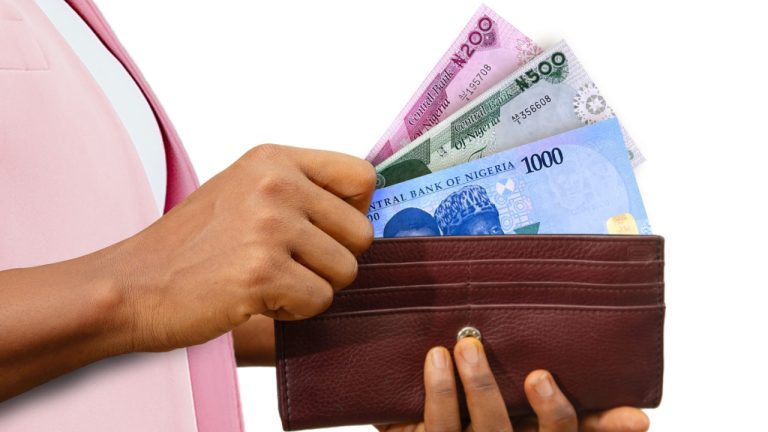
In a lawsuit filed by a Nigerian human rights activist, the country’s central bank is accused of failing to stop the dollarization of the economy. According to the activist, the central bank’s unwillingness to stop economic agents from demanding U.S. dollars for domestic transactions has “resulted in the constant devaluation, depreciation and unending plunge of the naira.”
Nigeria’s Foreign Exchange Woes
A Nigerian lawyer and human activist, Femi Falana, is suing the Central Bank of Nigeria (CBN) for allegedly dollarizing the economy. In his suit filed with a Lagos High Court, Falana also alleged that the CBN’s failure to perform its statutory obligations had “resulted in the constant devaluation, depreciation and unending plunge of the naira.”
As has been reported by Bitcoin.com News in the past few months, the Nigerian currency has been losing ground against major currencies. Many Nigerian economic commentators attribute the naira’s constant depreciation to the ongoing U.S. dollar shortage.
According to a report published by Arise TV, the Nigerian human rights activist believes that the High Court can help compel the CBN to enforce relevant provisions of the law.
“Consequently, we urge your lordship to compel the defendant to put an end to the use of [the] dollar as legal tender by enforcing policies and sanctions that will stop the illegal use of dollars as legal tender in Nigeria,” Falana argued.
In addition, Falana, who is a senior advocate of Nigeria (SAN), said the central bank should be forced to declare the naira and kobo as the West African country’s only legal tender. The court should also force the CBN to prosecute anyone who refuses to accept the naira as a means of payment, the lawyer added.
Meanwhile, in an affidavit submitted to support his lawsuit against the central bank, Falana claimed that the apex bank has not stopped schools and landlords from demanding U.S. dollars. The lawyer also accused the CBN of failing to eliminate the multiple exchange rate regime and replace it with a sustainably managed rate within a period of 12 months as promised.
Register your email here to get a weekly update on African news sent to your inbox:
What are your thoughts on this story? Let us know what you think in the comments section below.
from Bitcoin News https://ift.tt/aN8G9HY
Comments
Post a Comment