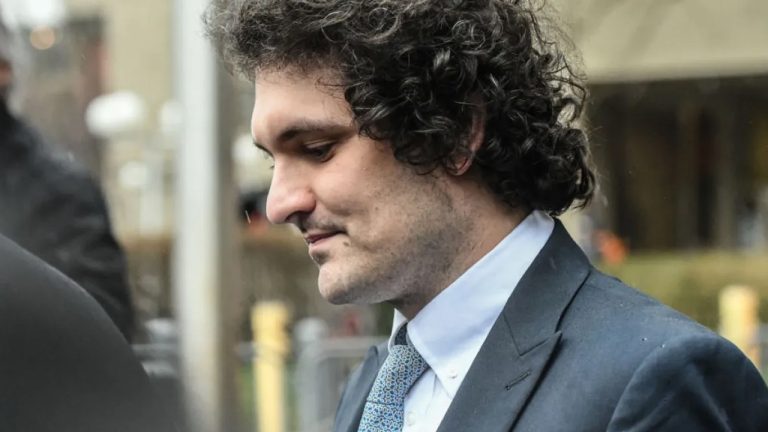
The U.S. Department of Justice filed a motion on Monday seeking to bar all seven of Sam Bankman-Fried’s proposed expert witnesses from testifying in the former FTX CEO’s upcoming fraud trial. Federal prosecutors cited issues with the witnesses’ reliability and accused them of improperly offering opinions on Bankman-Fried’s state of mind.
DOJ Seeks to Bar All Expert Witnesses in Former FTX CEO’s Fraud Trial
In the 39-page motion, the Department of Justice (DOJ) argued the witnesses’ opinions amounted to “an expert patina to inadmissible hearsay testimony about the defendant’s supposed lack of criminal knowledge or intent.” Prosecutors took issue with British barrister Lawrence Akka’s planned testimony interpreting FTX’s terms of service, saying it would confuse the jury and usurp the court’s role in instructing on the law.
The DOJ deemed Indiana University professor Bradley Smith’s proposed lecture on campaign finance laws unnecessary and irrelevant. The government also criticized the qualifications of financial services consultant Peter Vinella, noting his lack of crypto expertise. Further, prosecutors asserted that the expert disclosures for technologist Thomas Bishop and metadata specialist Brian Kim were deficient, providing only vague descriptions rather than specific opinions.
The DOJ contended that software engineer Joseph Pimbley’s testimony regarding problems with FTX’s internal systems was irrelevant. Stanford University professor Andrew Di Wu’s proposed cryptocurrency market overview was also deemed unnecessary, with prosecutors arguing fact witnesses could provide such background.
Overall, the DOJ motion argued that Sam Bankman-Fried‘s slate of experts would confuse jurors and offer testimony improperly aimed at suggesting the FTX founder lacked criminal intent. Prosecutors asked the court to preclude the witnesses or at minimum hold pre-trial Daubert hearings evaluating their expertise. Jury selection for Bankman-Fried’s trial on fraud and conspiracy charges is slated to begin in October.
What do you think about the DOJ’s argument to bar Bankman-Fried’s group of experts? Share your thoughts and opinions about this subject in the comments section below.
from Bitcoin News https://ift.tt/wA9GYOU
Comments
Post a Comment