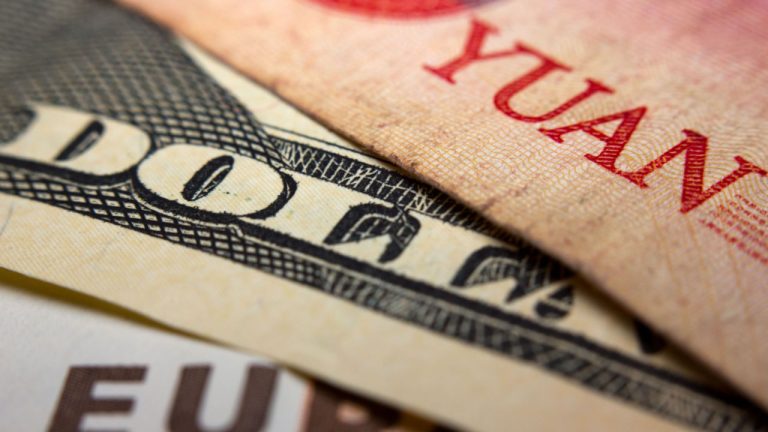
A growing number of banking institutions in Russia are offering customers the option to save in Chinese yuan. The trend coincides with declining demand for U.S. dollar and euro deposits amid currency restrictions that triggered a flight of funds to bank accounts abroad.
Demand for Dollar, Euro Accounts Expected to Drop Further, Requests for Yuan Deposits Surge in Russia
Fewer Russians want to open local bank accounts in major Western currencies amid restrictions on what they can do with their money. Data from the Bank of Russia shows that about half of all foreign currency savings in Russian banks have been transferred to foreign bank accounts in 2022, and interest in new deposits has noticeably dropped, the daily Izvestia wrote in an article.
A “massive decline” in demand for deposits in U.S. dollars and euros is to be expected, according to Anna Romanenko, director of communications at the financial marketplace Vbr.ru. The number of banks supporting deposits in these foreign currencies has decreased as well, the expert pointed out. At present, no more than three dozen lenders open such accounts.
“According to our data, by January of this year, the number of online requests for deposits in dollars and euros reached a minimum for the past two years,” Romanenko noted. And while due to the weakening of the ruble in March, interest in the dollar temporarily increased, demand for the euro is “still minimal,” she detailed.
Interest in Dollar and Euro Accounts to Continue to Fall if Currency Restrictions Are Extended
Among the reasons for this trend is the $10,000 cap on withdrawals which was in place until Sept. 9, 2022. Besides, Russians can withdraw dollars only if they were deposited to their accounts before March 9, 2022 while any newly credited amounts must be converted to Russian rubles before withdrawal. “If the restrictions are extended, interest in such deposits will continue to fall,” Romanenko is convinced.
At the same time, the expert believes an increase in demand for the Chinese yuan, as an alternative foreign currency, can be expected. Anna Romanenko highlighted that 49 banks in the Russian Federation already have such offerings.
“Since March, we have seen a surge in demand for the yuan — interest in the Chinese currency has tripled in a month and continues to increase by 15–20% weekly. The attractiveness of the terms is increasing, too — you can already find deposits with a rate of up to 3%,” she elaborated.
Reports in March revealed that the yuan has replaced the euro in the top three currencies preferred by Russians for their savings. According to a study by the Finam financial portal, 17% of private individuals held the Chinese fiat and 8% had European money, while over a third chose the ruble.
Do you think the popularity of Chinese yuan deposits will continue to grow in Russia? Tell us in the comments section below.
from Bitcoin News https://ift.tt/bSML0km
Comments
Post a Comment